
Categorii populare



Textured paper and card
Textured paper & textured cardstock – for invitations, stationery, and premium projects
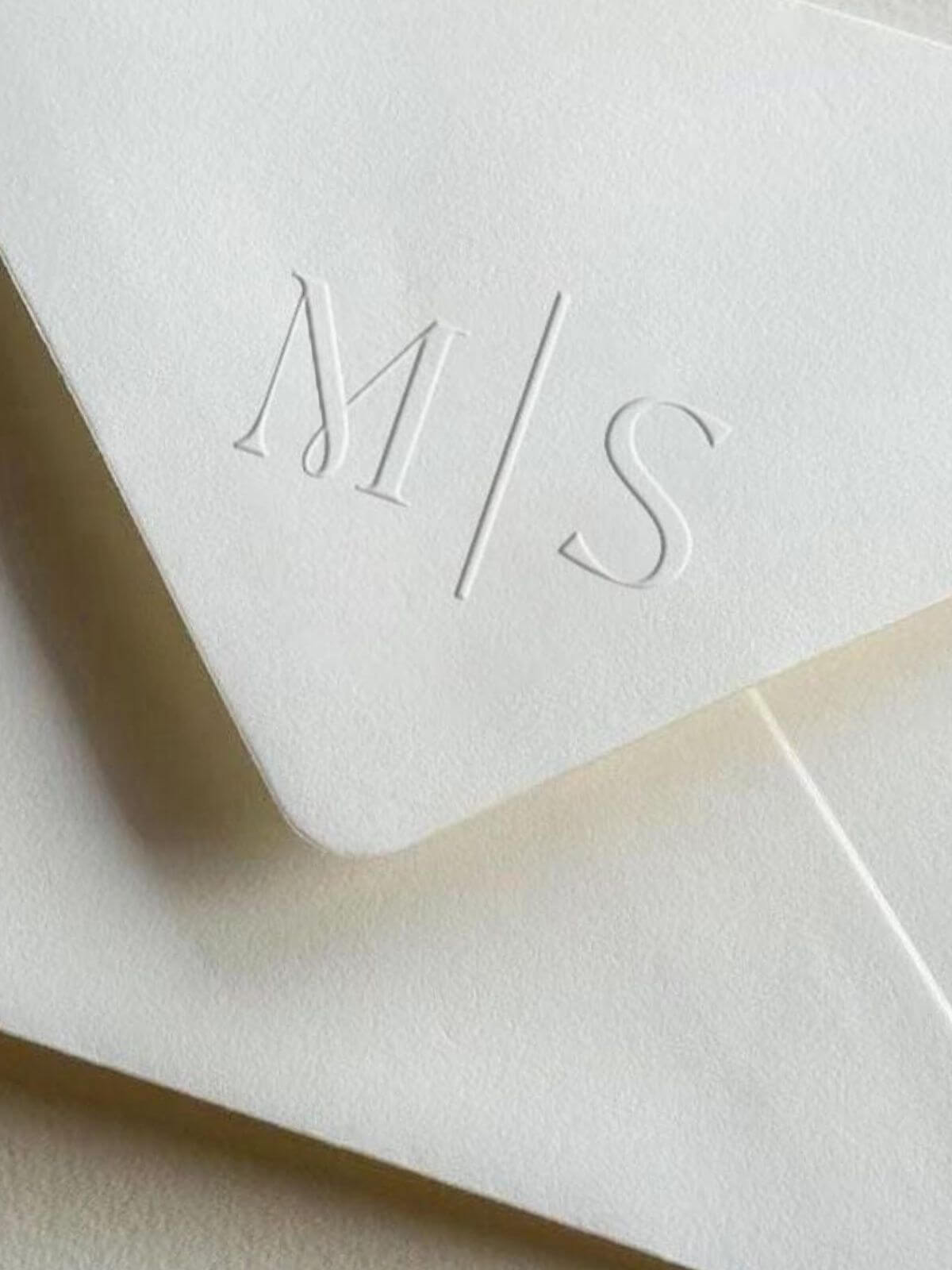
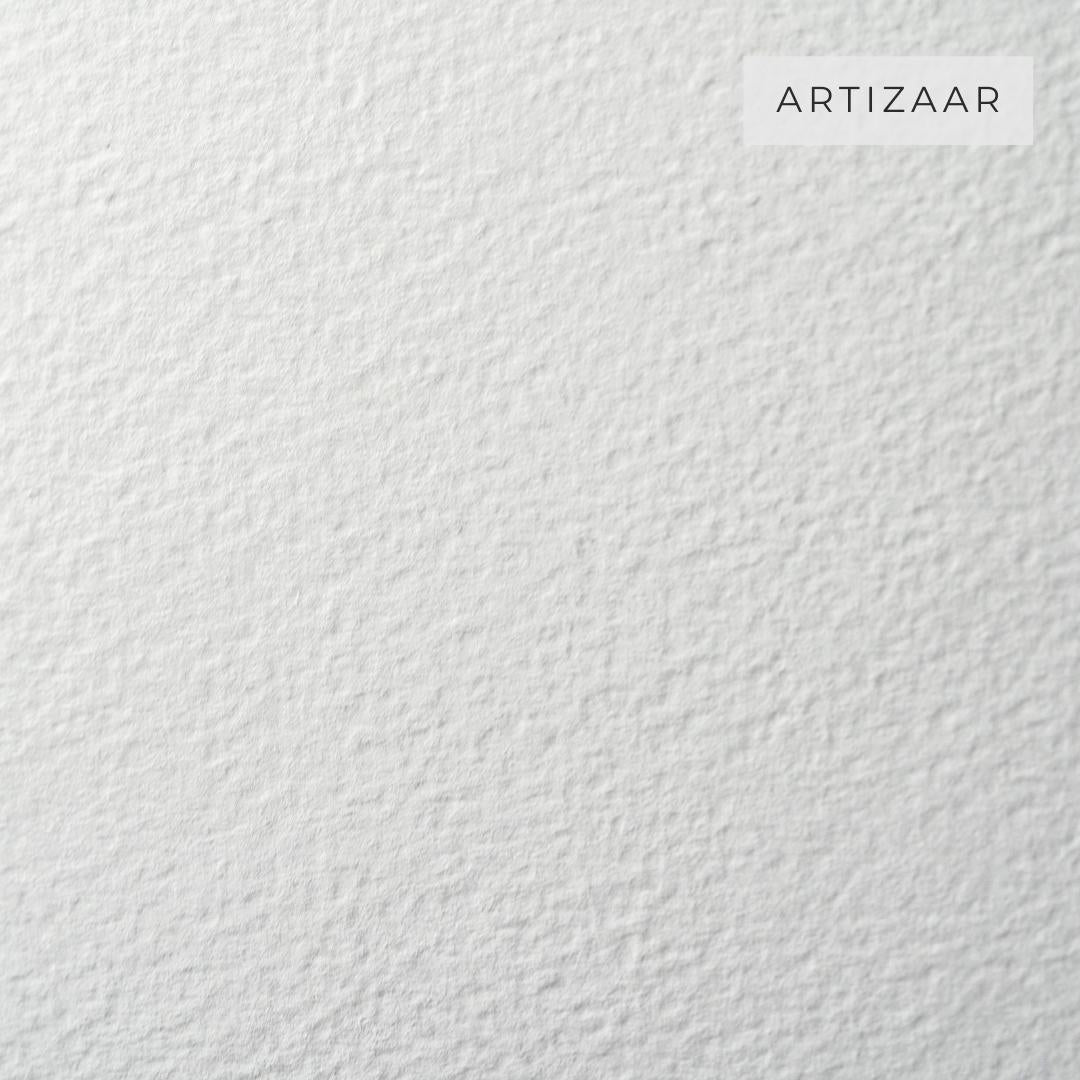
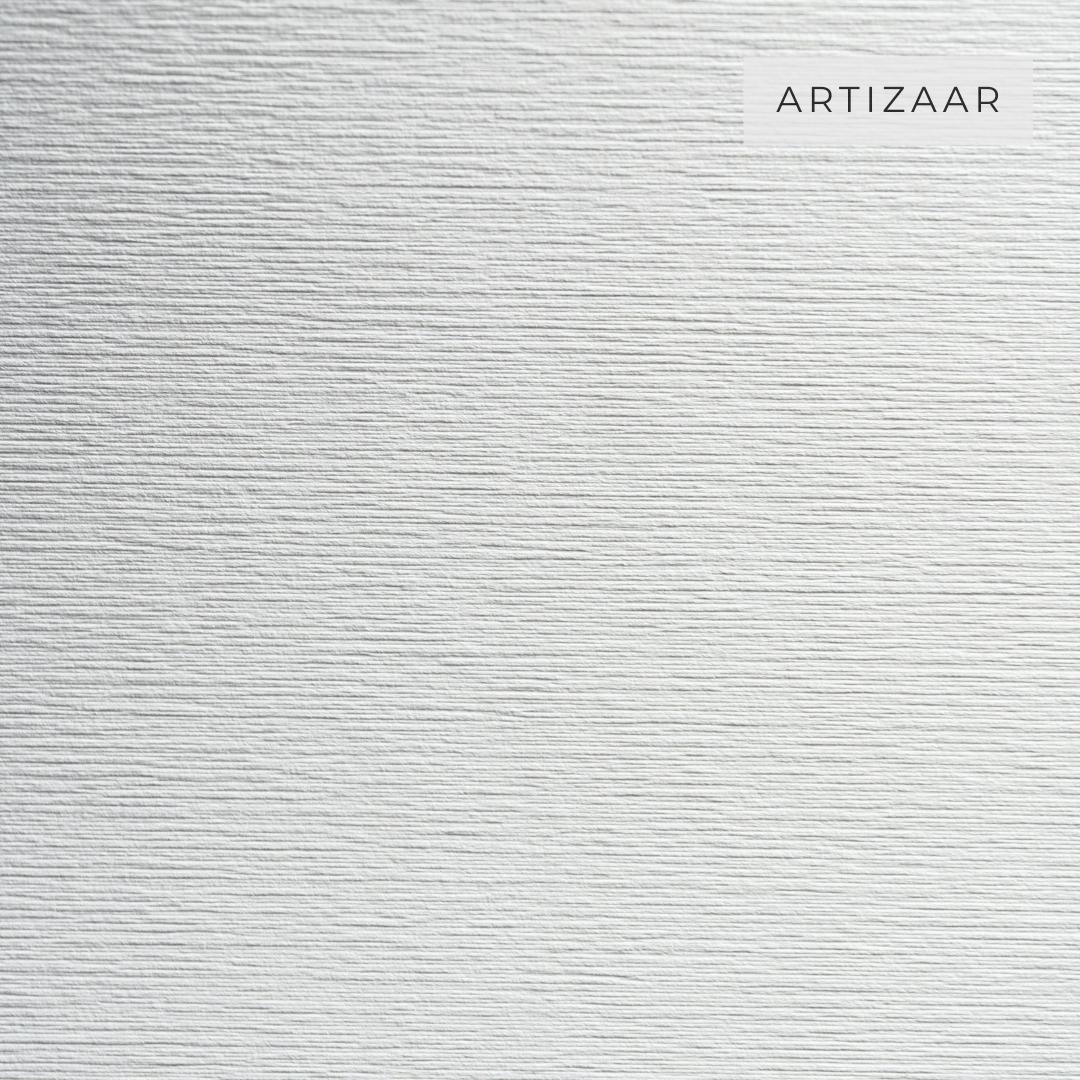
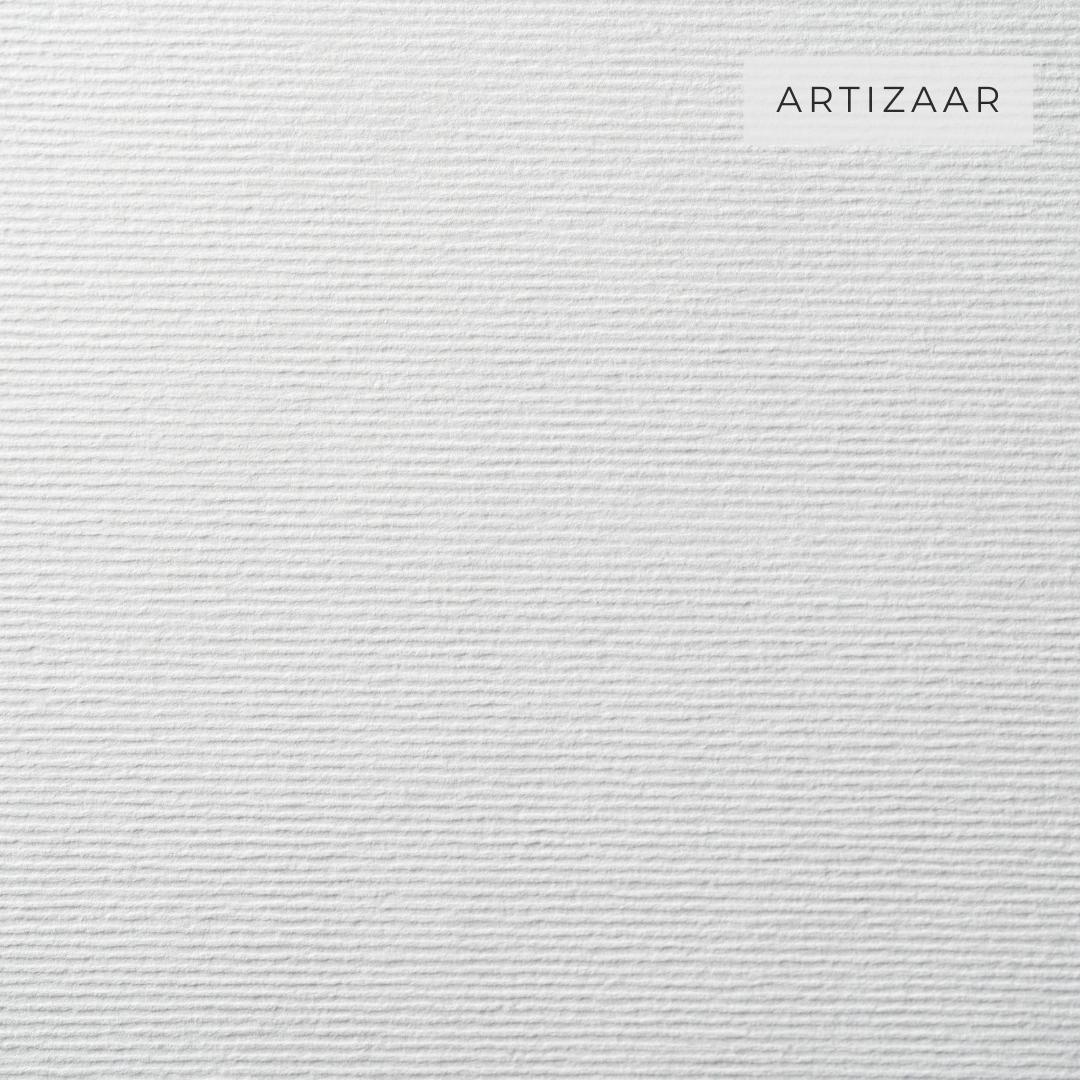
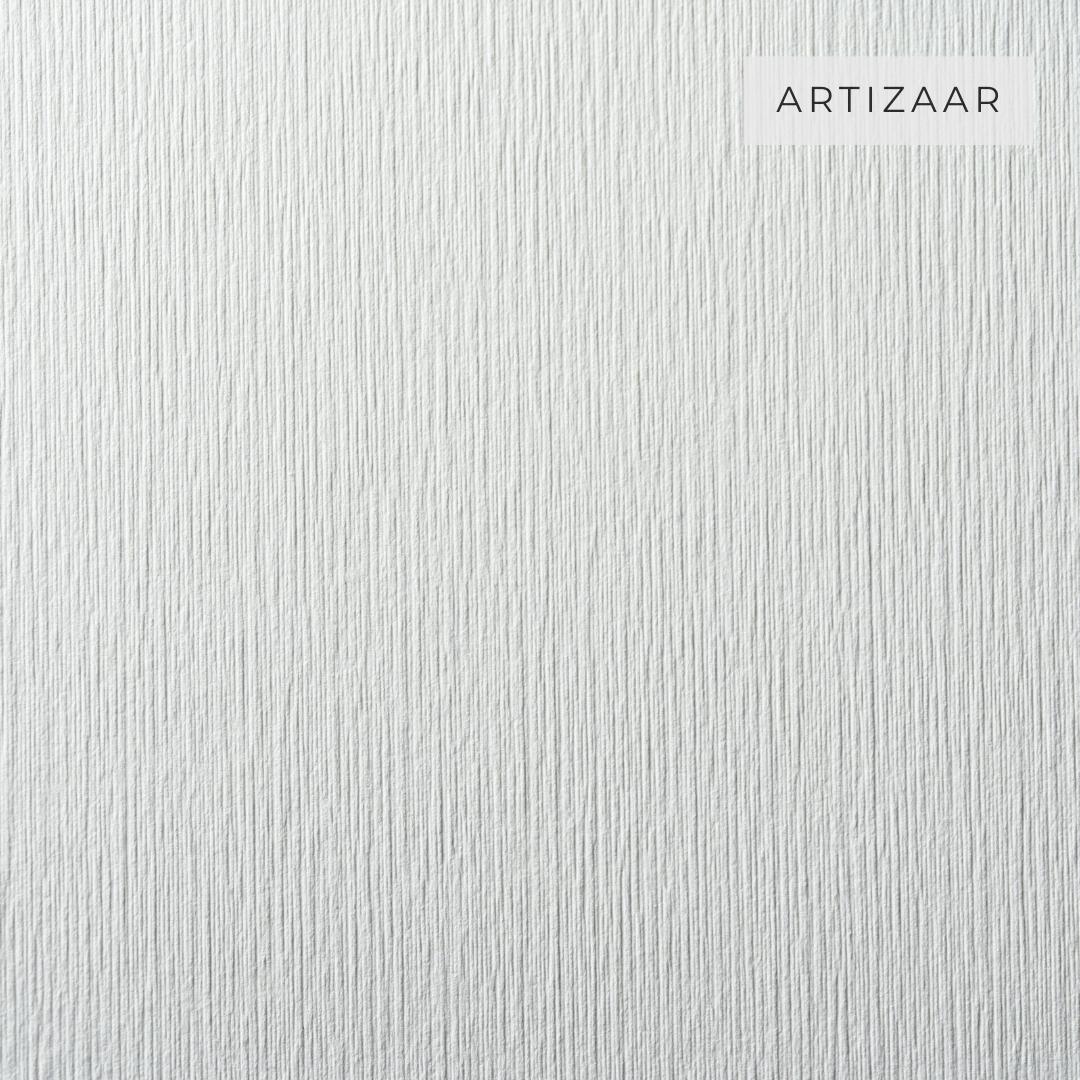
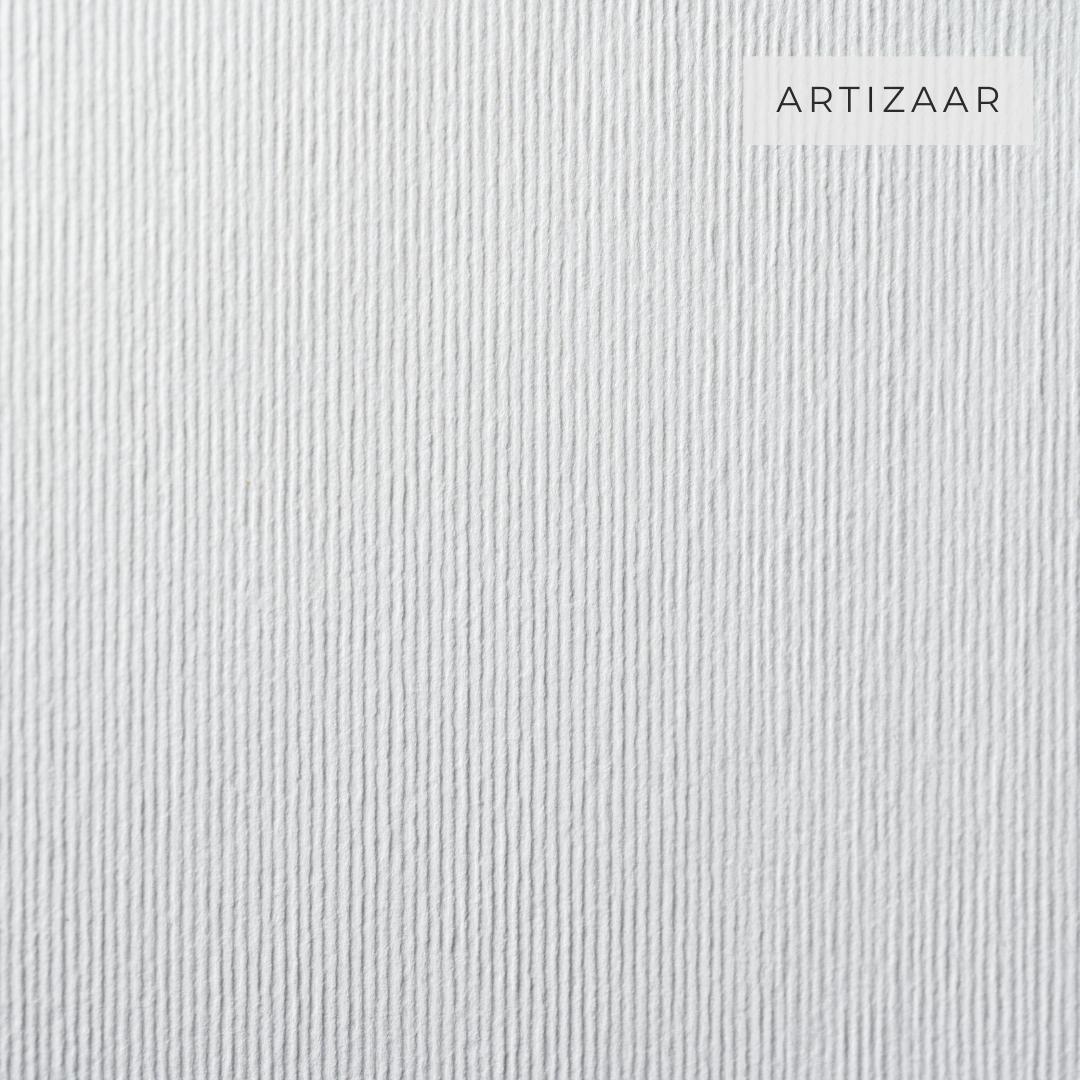
Textured paper and textured cardstock (often searched for in Romania as hartie texturata, carton texturat, invitation cardstock, invitation paper, linen cardstock, and linen paper) are the standard choice when you want a result that feels premium to the touch. Texture adds depth, makes colors look more sophisticated, and instantly elevates the perception of an invitation, greeting card, or event menu.
Why people search for “textured cardstock” and “textured paper”
- Premium look without extra embellishments – texture makes a difference even in a minimalist design.
- Tactile surface – ideal for wedding/christening stationery, menus, and cards.
- Rigidity in cardstock – suitable for invitations and elements that need to hold their shape perfectly.
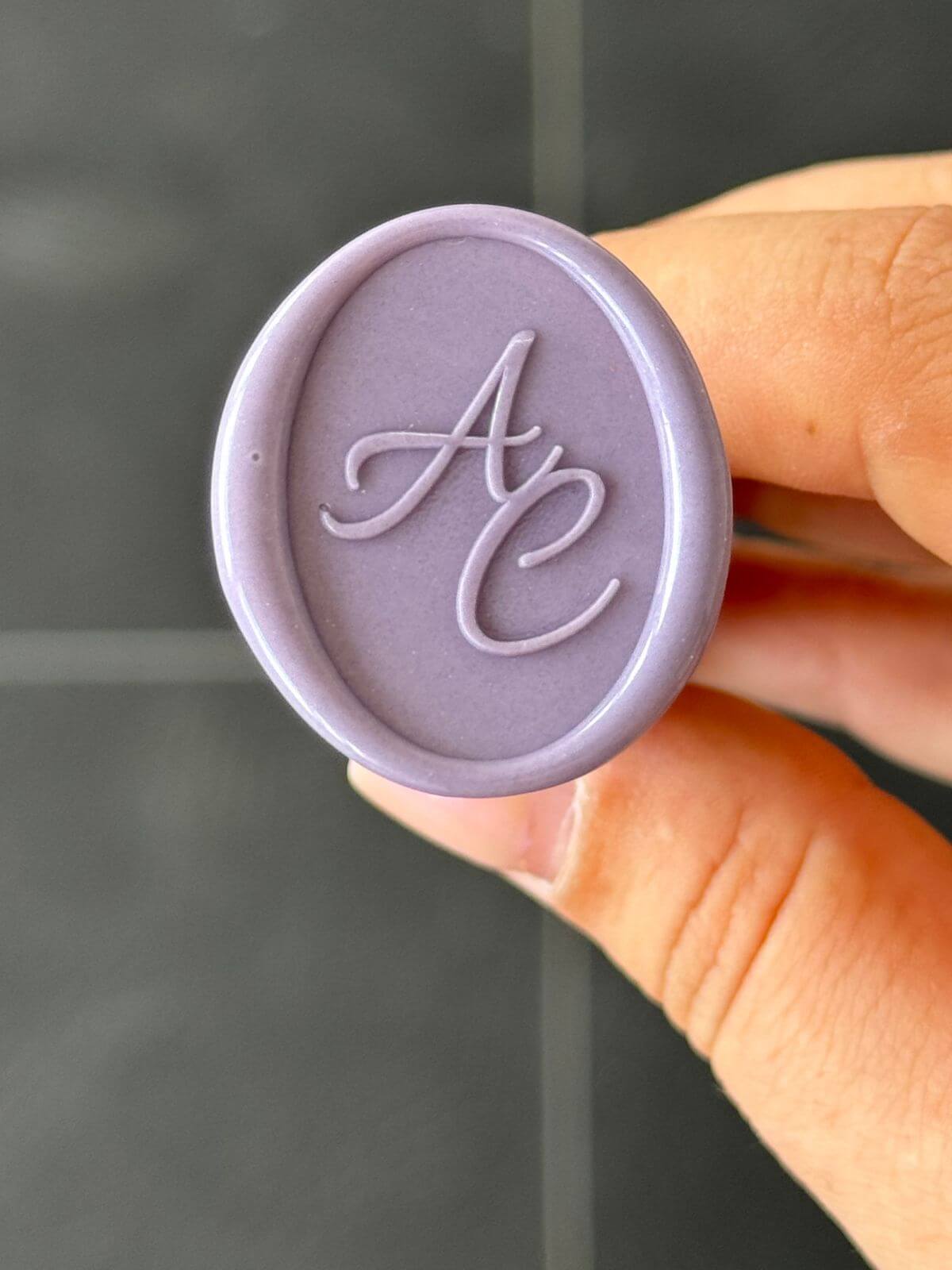
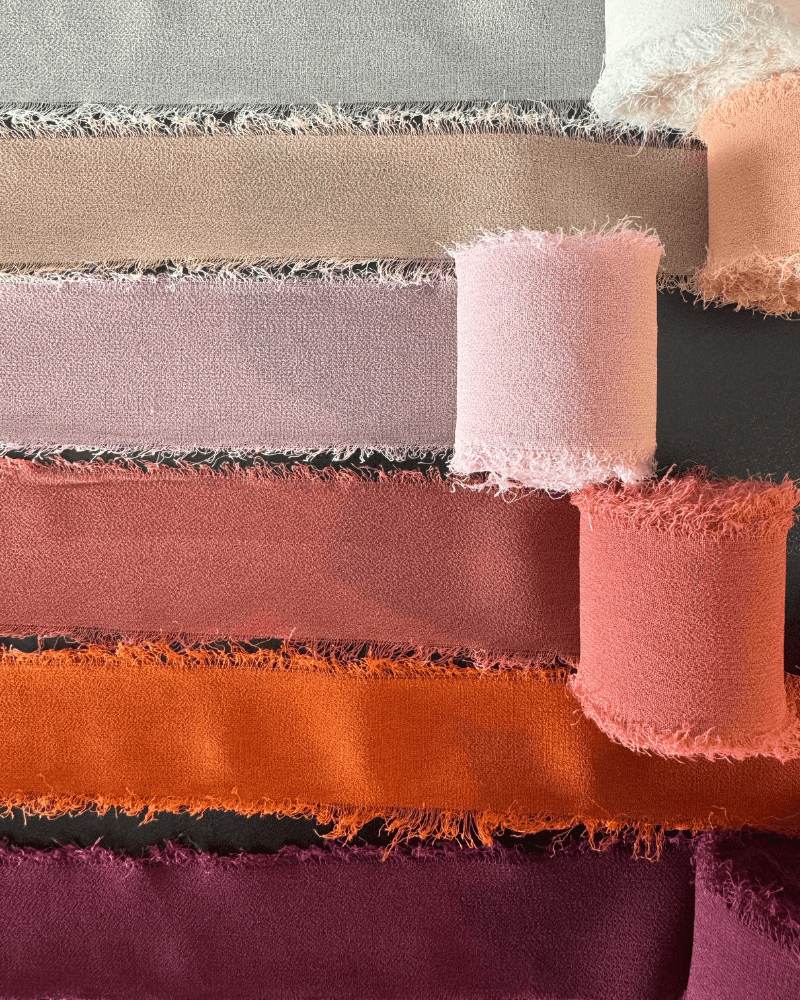
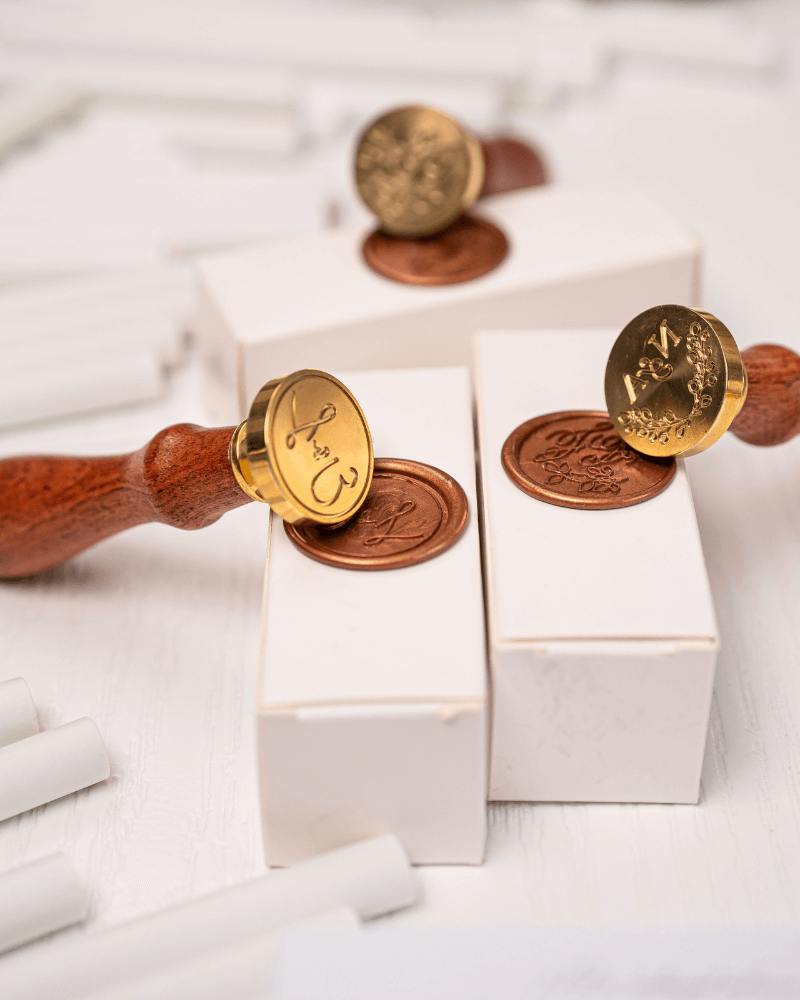
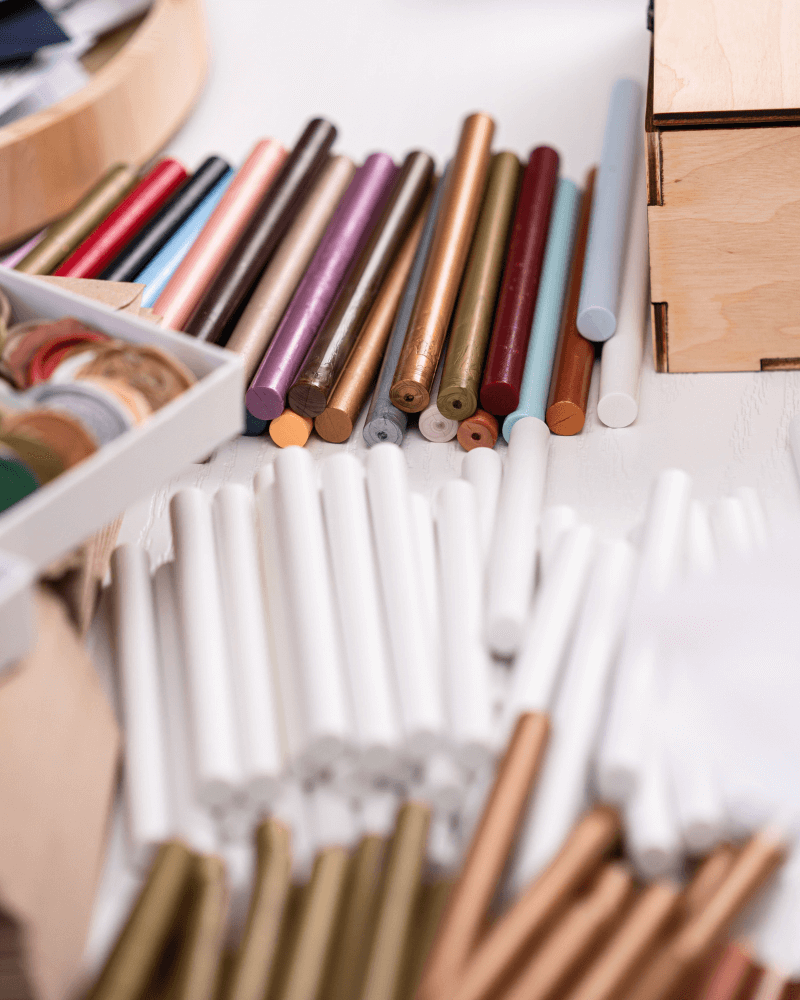
- Versatility – pairs beautifully with envelopes, ribbons, and wax seals.
Common types of textures
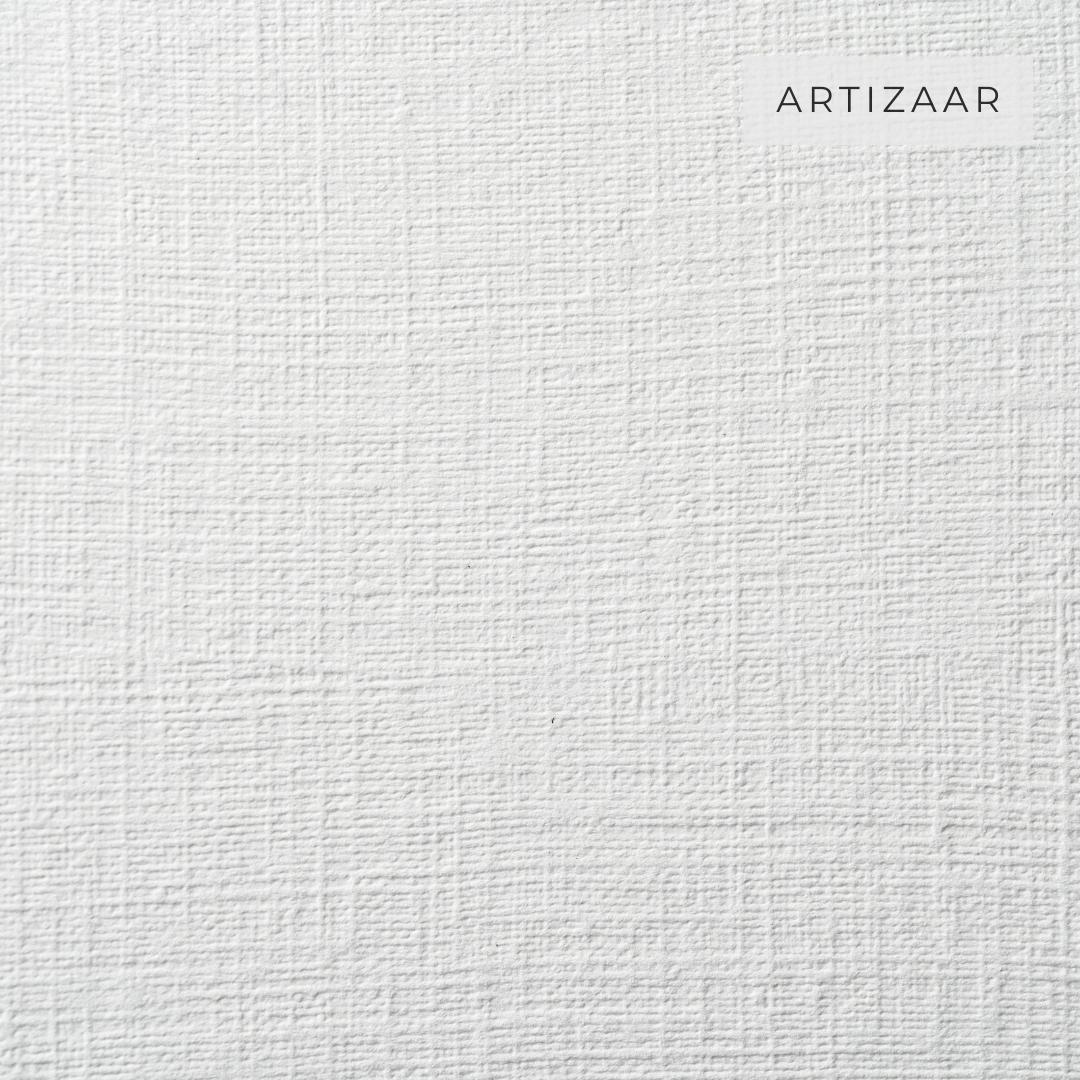
- Linen – one of the most popular textures for invitations, with an elegant and classic look.
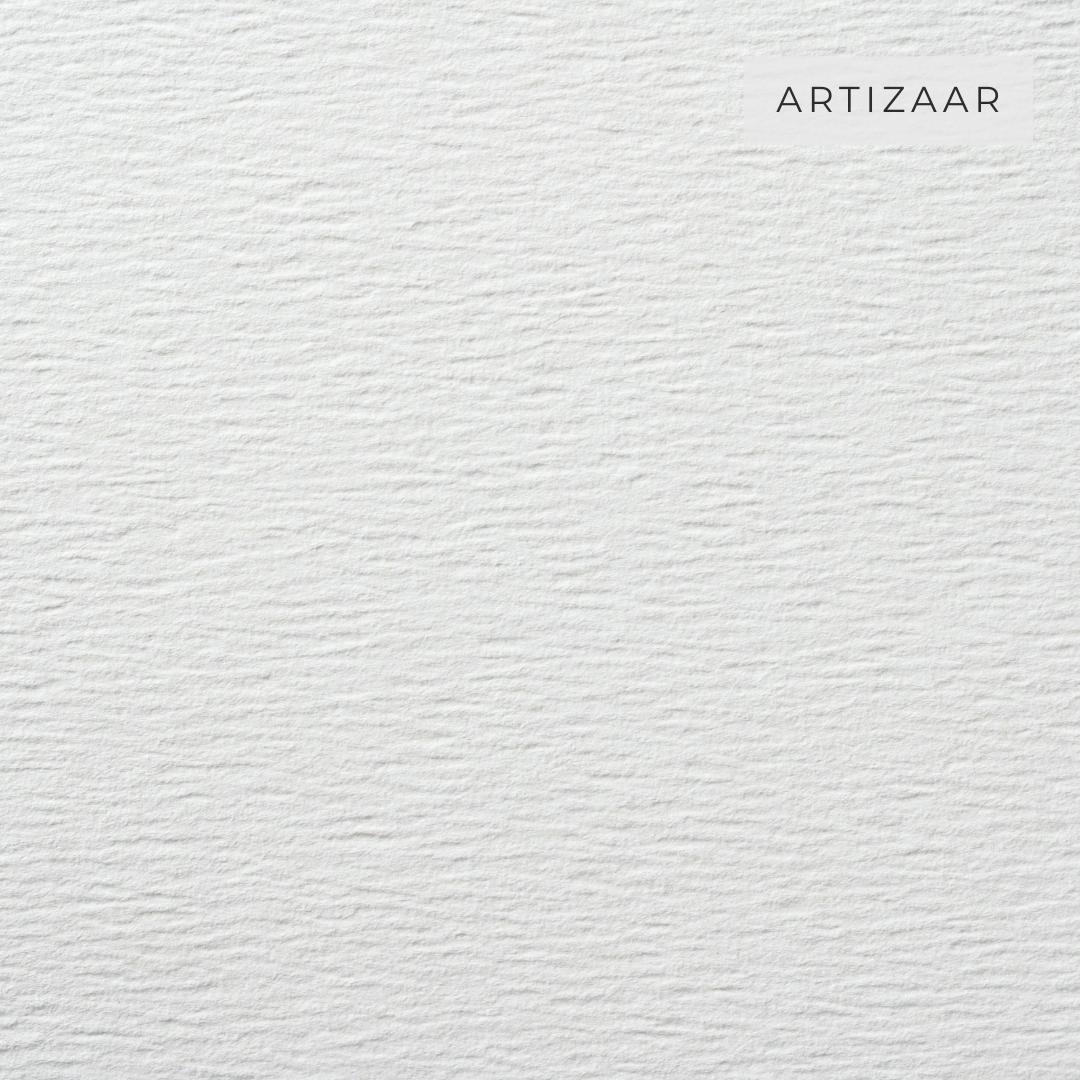
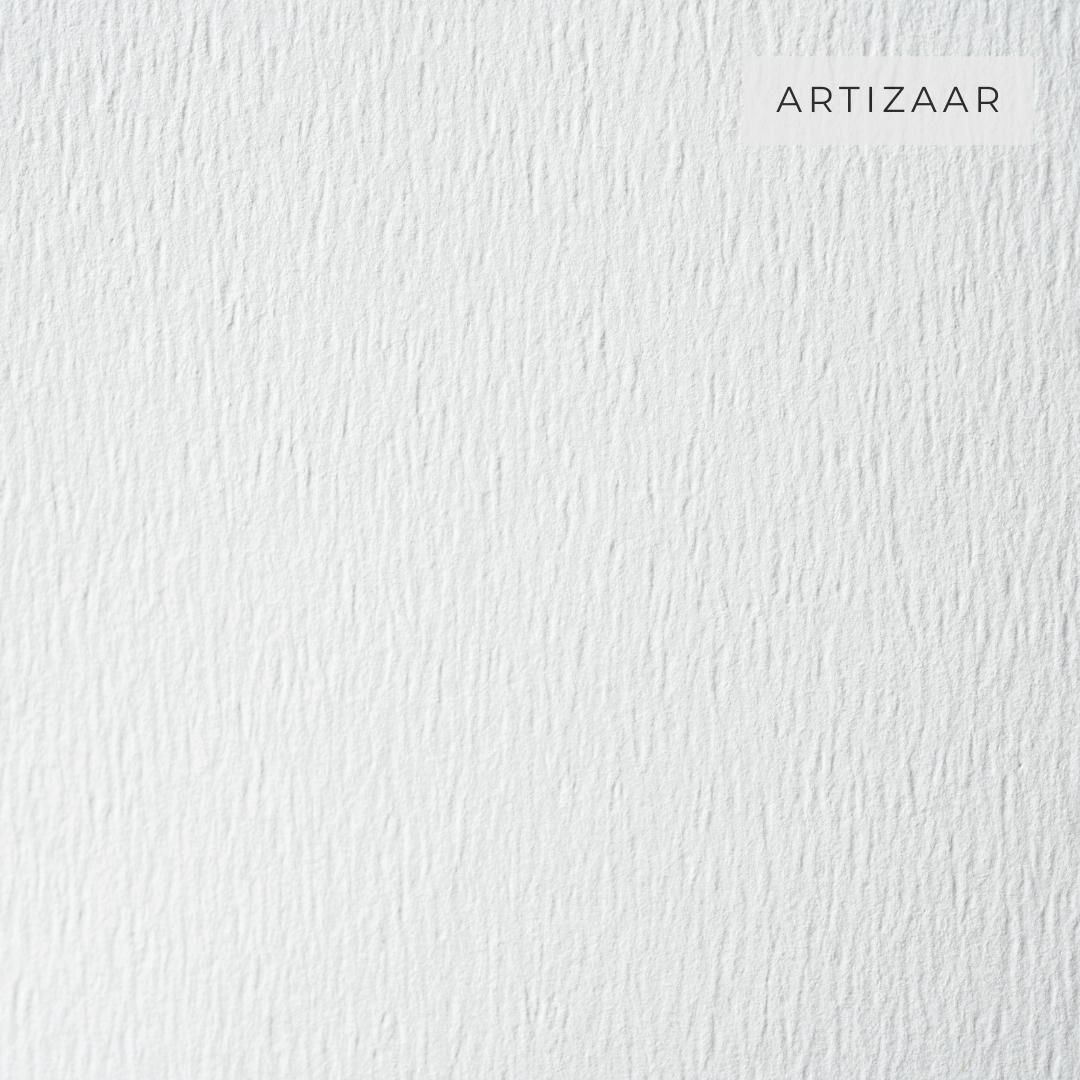
- Vergé / laid texture – a fine texture with subtle lines, often used in stationery.
- Felt / soft-touch textured – a softer tactile effect, depending on the product.
- Fine matte texture – for a clean, modern look that is easy to match.
Note: exact availability depends on the product/batch; the collection includes the texture types listed on each product page.
Thicknesses / paper weights and how to choose correctly
This category includes textured paper, which is more flexible, and textured cardstock, which is more rigid. The simple rule is:
- Textured paper: suitable for inserts, message sheets, light printing, and secondary elements.
- Textured cardstock / thick cardstock: recommended for the main invitation, menus, place cards, and premium greeting cards.
Main uses
- Wedding invitations: main invitation on textured cardstock + inserts on textured paper.
- Christening invitations: invitations, inserts, thank-you cards, and premium tags.
- Greeting cards: textured cardstock for the card and textured paper for the inside or insert.
- Event stationery: menus, place cards, table numbers, and programs.
- Craft / DIY: scrapbooking, card making, gift wrapping, and tags.
Textured paper/cardstock for printers
Many people search for “textured cardstock for printers” or “textured paper for printing”. In general, these materials can be printed on using laser or inkjet printers, but the result depends on the printer, finish, and thickness. Practical recommendation: test on one sheet first, use the “thick paper/cardstock” setting if available, and use manual feed when your printer allows it.
How to create a complete premium set
- Tone-on-tone: textured paper/cardstock in the same color family as the envelope for a refined look.
- Controlled contrast: texture plus a contrasting color for a modern effect.
- Event finish: combine with ribbons and wax seals for a cohesive and elegant result.
Frequently asked questions (FAQ)
What is the difference between textured paper and textured cardstock?
Textured paper is usually thinner and more flexible, making it suitable for inserts and light printing, while textured cardstock is thicker and more rigid, making it ideal for invitations, greeting cards, and menus.
What should I choose for wedding or christening invitations?
For the main invitation, textured cardstock is most often used because it is more rigid, while for inserts such as RSVP cards or detail cards, textured paper or thinner cardstock is usually preferred.
Is linen cardstock / linen paper considered textured cardstock?
Yes. “Linen” is one of the most popular textures and belongs to the textured paper/cardstock category.
Can I print on textured cardstock?
Usually, yes, but it depends on the printer and thickness. For important projects, test before printing the full batch and use the thick paper setting when needed.
Does the texture affect readability?
In general, no, as long as you choose a good combination of font and contrast. For very small text, a more pronounced texture may require clearer fonts and a slightly larger size.
Does it work well with wax seals and ribbons?
Yes. Textured paper and textured cardstock look excellent with wax seals and ribbons, especially for event stationery.